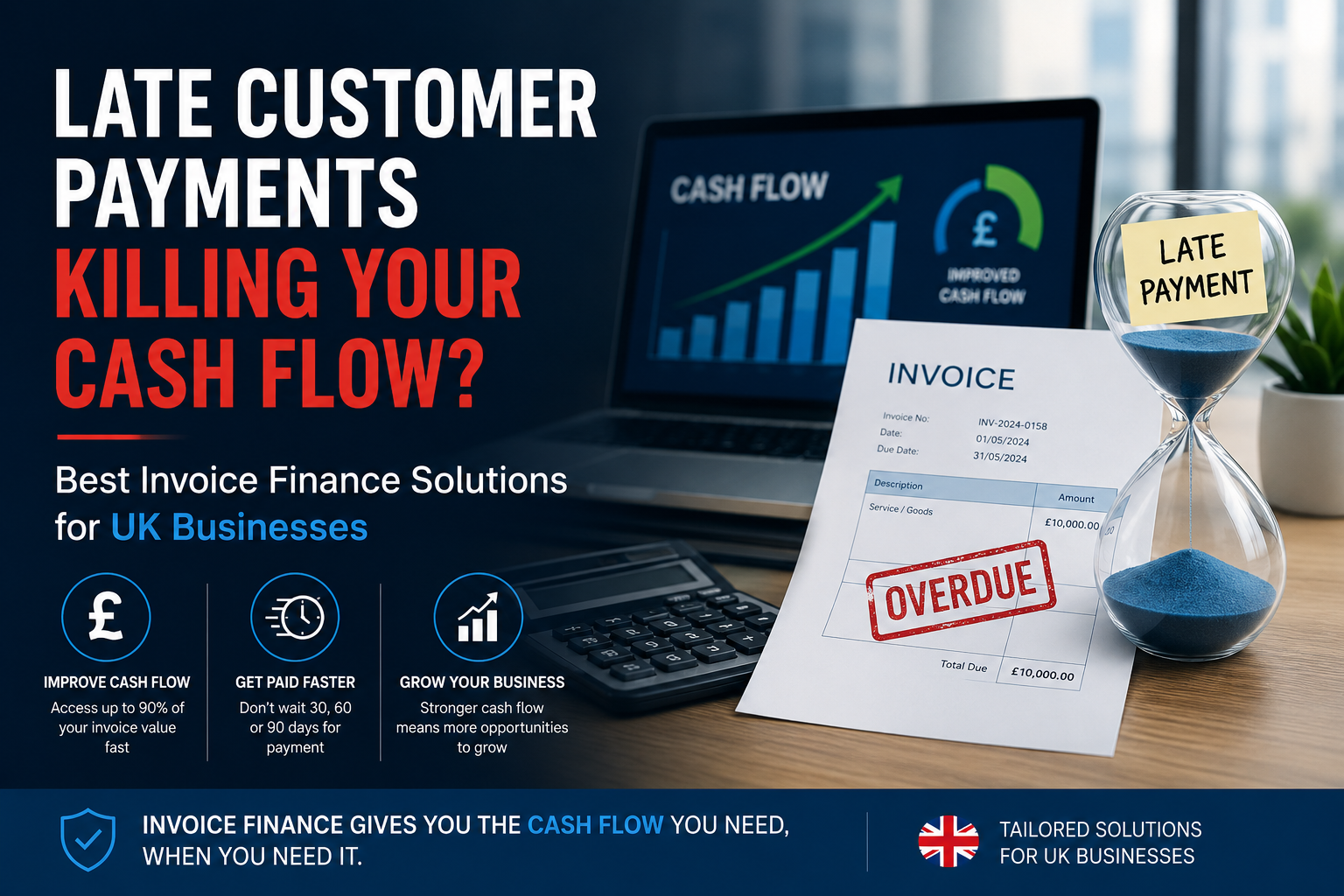
Late Customer Payments Killing Your Cash Flow? Best Invoice Finance Solutions for UK Businesses
You know what really drains the energy out of running a business?
Not marketing.
Not competition.
Not even rising costs sometimes.
It’s waiting and waiting, 30 days, 60 days. Sometimes, it takes 90 days just to get paid for work you’ve already completed. Meanwhile, the bills keep showing up right on time.
That’s the part outsiders don’t see. A business can look busy, profitable, and fully booked while the owner is quietly stressing over payroll next week.
This is exactly why more companies are now looking at smarter invoice funding solutions instead of relying only on overdrafts or traditional bank loans. Cash flow problems usually don’t happen due to a lack of sales. They happen because money gets stuck.
Why Late Payments Hurt SMEs So Badly
Big corporations can usually survive delayed payments. Smaller businesses? Not always. A growing SME still needs cash every single week for:
- rent
- fuel
- stock
- wages
- software
- suppliers
- tax payments
Now imagine having £40,000 sitting in unpaid invoices while your supplier is chasing you for £8,000 tomorrow morning. That’s where the pressure starts building.
And honestly, late payments have become so common in the UK that many businesses almost expect them now, which is ridiculous when you think about it.
You finish the work. Deliver the service. Send the invoice. Then, spend two months waiting like you borrowed money from them instead.
How Can UK Businesses Survive Late Customer Payments?
Most businesses first try the usual stuff:
- Chasing Emails
- Payment Reminders
- Awkward Phone Calls
- Shorter Payment Terms
Sometimes it helps. Sometimes it doesn’t. The real issue is timing. Even profitable companies struggle when cash arrives too slowly.
That’s why many SMEs now use late payment solutions that unlock money tied up in invoices instead of sitting around waiting for customers to pay finally.
Survival mode is exhausting. No business owner wants to spend every Friday calculating which bill can wait another few days.
What is the Best Invoice Finance Solution for Cash Flow Problems?
Depends on the business, honestly. Some companies want full invoice factoring support. Others prefer confidential finance options where customers never even know funding is involved.
That’s why flexible invoice funding solutions work better than one-size-fits-all finance products. A few common options include:
- Invoice Discounting:– Businesses stay in control of collections while accessing early funds from unpaid invoices.
- Invoice Factoring:– The finance provider helps manage collections and releases most of the invoice value upfront.
- Selective Invoice Finance:– Only certain invoices get financed instead of the whole sales ledger.
A lot of SMEs like this because they can use funding only when cash flow gets tight instead of committing everything. And honestly, flexibility matters way more than people realize.
Unpaid Invoices Quietly Slow Down Growth
This part frustrates business owners the most. You’re technically earning money, but still acting broke because payments are delayed. That creates weird situations where businesses turn down opportunities simply because cash is trapped in unpaid invoices. A company might delay:
- Hiring Staff
- Buying Equipment
- Taking Large Orders
- Marketing Campaigns
- Expanding Operations
Not because business is bad. Because cash hasn’t arrived yet. That’s where unpaid invoice finance becomes useful. It turns invoices into working capital much faster, so businesses can actually keep moving forward instead of constantly waiting.
How Do SMEs Improve Working Capital Without Loans?
A lot of owners avoid traditional loans now unless necessary. And honestly, understandable. Loans usually mean:
- Personal Guarantees Sometimes
- Long Approval Processes
- Fixed Repayments
- Interest Pressure
- Borrowing Limits
Invoice finance works differently because the funding connects directly to existing invoices. So instead of borrowing based on predictions, businesses access money already owed to them.
That’s why many SMEs see invoice finance as practical SME cash flow support rather than debt-heavy borrowing. The business keeps generating sales while improving day-to-day liquidity at the same time. Much less stressful.
Can Invoice Finance Help Businesses Pay Staff and Suppliers on Time?
Absolutely. That’s honestly one of the biggest reasons businesses use it. When invoices stay unpaid for weeks, payroll pressure becomes very real, very quickly. And supplier relationships can get damaged too. Late supplier payments usually create a domino effect:
- reduced trust
- delayed inventory
- operational delays
- strained partnerships
Invoice finance helps smooth that gap by releasing cash earlier. That means businesses can:
- pay wages on time
- cover supplier costs
- avoid cash shortages
- manage VAT obligations
- handle seasonal demand
Sometimes the biggest benefit isn’t even growth. It’s peace of mind. Knowing you’re not constantly juggling bills changes everything mentally as a business owner.
How Best Invoice Finance Can Help
Finding the right finance provider can feel confusing fast because every lender promises “flexible funding” and “fast approvals.” That’s where Best Invoice Finance helps simplify things.
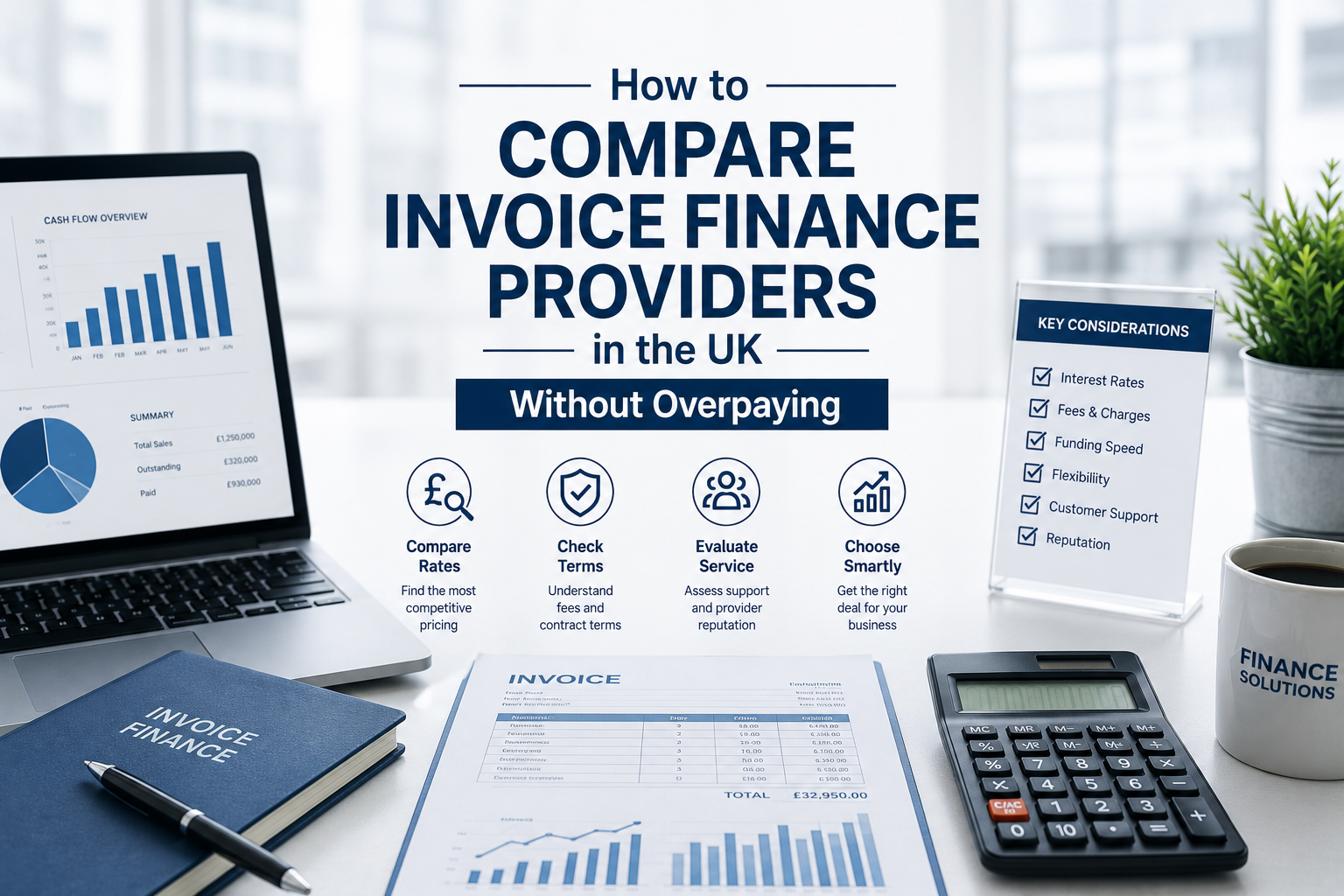
Instead of wasting time approaching random lenders individually, UK businesses can compare tailored invoice finance options based on:
- industry
- turnover
- business size
- funding needs
- payment cycles
They help businesses explore:
- factoring
- selective finance
- invoice discounting
- working capital funding
- flexible invoice funding solutions
And honestly, comparison matters. Because the cheapest-looking option isn’t always the best operational fit long term, some businesses prioritize confidentiality. Others care more about fast approvals or flexible contracts. Getting matched properly saves a lot of future headaches.
Also Read:- Growing Fast but Cash Poor? How an Invoice Discounting Company Supports UK SMEs
Final Thoughts
Late payments don’t just slow down cash flow. They drain energy, delay decisions, create stress, and force businesses into survival mode even when sales look healthy on paper.
That’s why more UK SMEs are turning toward flexible invoice funding solutions instead of depending only on loans or overdrafts. Because sometimes businesses don’t actually need more sales. They just need faster access to the money they’ve already earned.
Ans:- Funding released against unpaid customer invoices.
Ans:- Yes, thousands of UK SMEs use it regularly.
Ans:- No, it’s funding linked to invoices.
Ans:- Yes, it helps businesses access cash faster.
Ans:- Yes, many businesses use it for smoother payroll management.
Discover the Latest Trends
Stay informed with our latest articles and resources.