How to Compare Invoice Finance Providers in the UK Without Overpaying
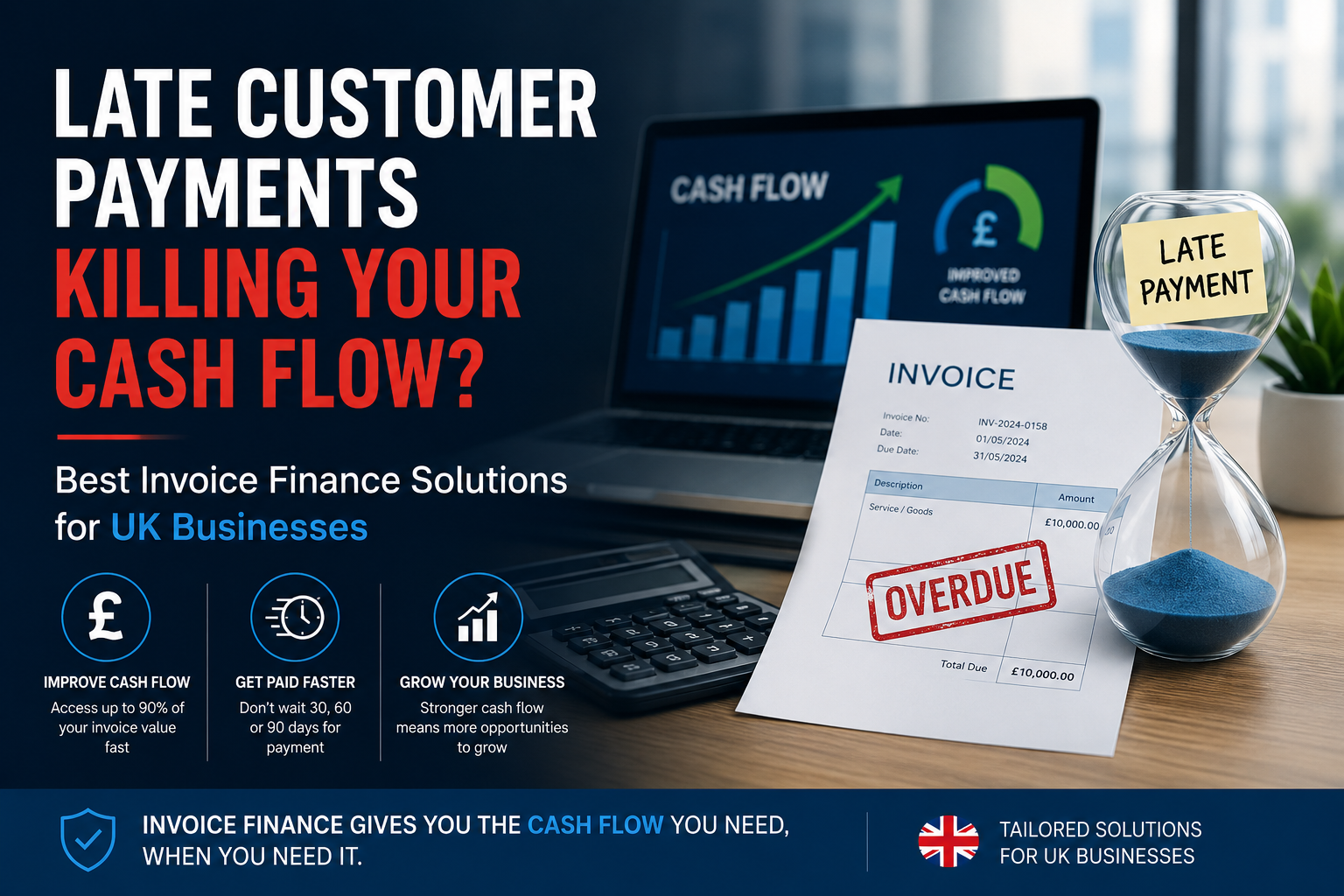
Running a business in the UK is a massive vibe, but waiting 30, 60, or even 90 days for clients to clear their invoices? Yeah, that is definitely not it. It completely drains your momentum and leaves your bank account looking a little sad while you wait for cash that you’ve already rightfully earned.
If you are tired of playing the waiting game, setting up a business cash flow finance facility is the ultimate way to unlock that trapped revenue instantly. But entering the commercial finance market without a game plan is a one-way ticket to getting stung by unexpected costs.
If you want to scale your business without burning cash on unnecessary overheads, learning how to compare invoice finance providers effectively is your absolute golden ticket. Let’s break down how the market works, what sneaky traps to avoid, and how to get the absolute best deal for your business.
How Do I Compare Invoice Finance Providers in the UK?
When you start shopping around, it is incredibly easy to get blinded by flashy introductory offers or the massive maximum funding lines a provider promises.
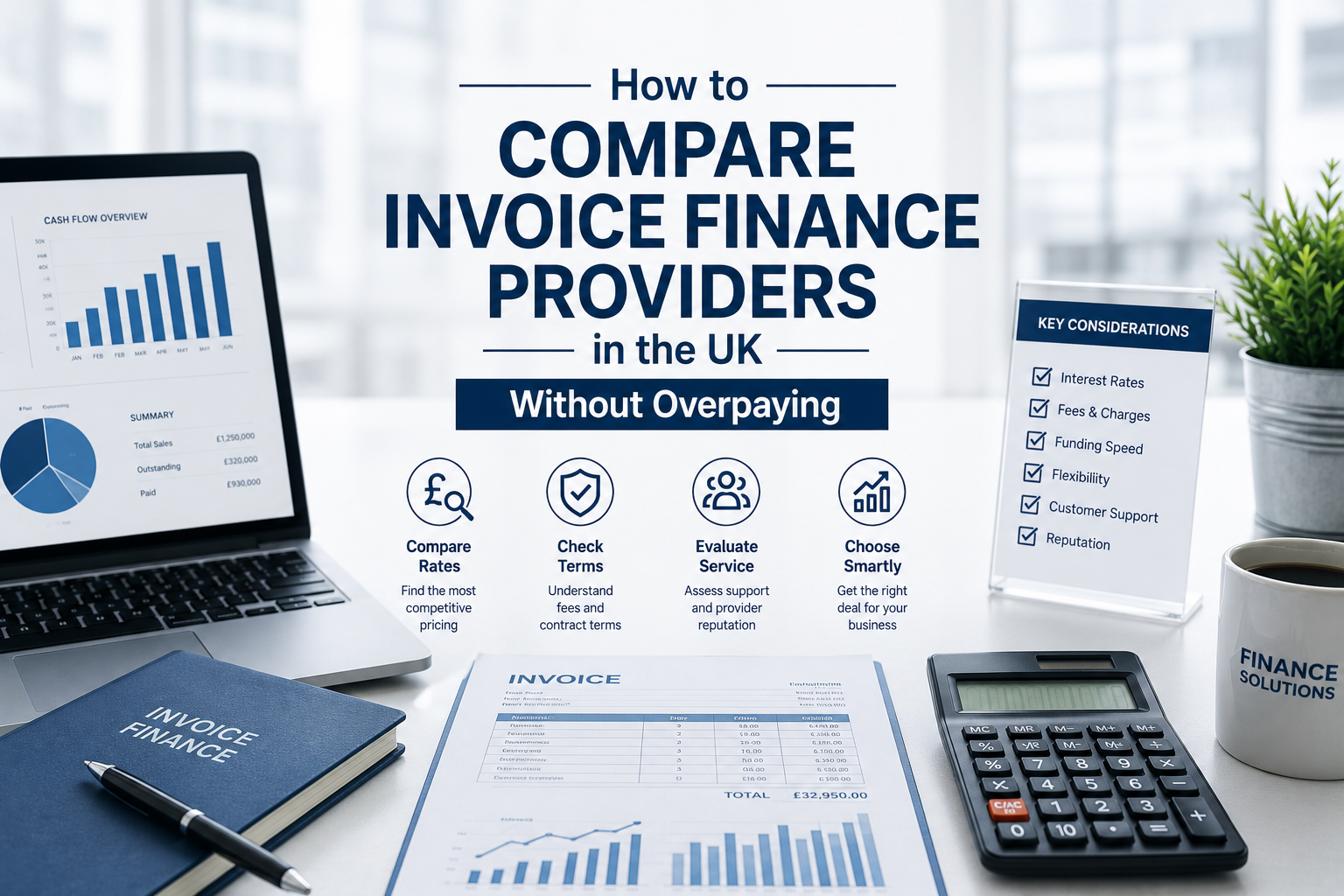
To do a proper comparison, you need to look past the marketing fluff and focus entirely on the core fee structure, the contractual flexibility, and how they handle your customer relationships.
- [Facility Fee / Service Fee] —> The “Subscription” cost to keep the account open.
- [Discount Fee / Finance Fee] —> The “Interest Rate” charged on the advanced cash.
The safest way to compare providers is to request a comprehensive, written “Total Cost of Facility” breakdown based on your current annual turnover.
By forcing every lender to model their costs against the same sales volume, you can instantly see who is genuinely offering value and who is trying to mask a pricey facility behind a low headline rate.
What Hidden Fees Should I Look for in Invoice Finance Agreements?
Many business owners sign a contract thinking they’ve secured a brilliant deal, only to realize later that their monthly statements are littered with extra charges. When you are looking over an offer, you need to closely investigate the secondary invoice finance fees that sit outside the standard service charge. Here are the major extras you should search for in the fine print:
- Refusal / Rejection Fees:– Some providers charge you a penalty fee every single time they decline to fund a specific invoice or a new customer account you’ve submitted.
- Credit Check and Setup Fees:– Small admin fees for onboarding your clients or running credit background checks can quickly stack up if you deal with a high volume of small invoices.
- Audit and Survey Fees:– Lenders love to check up on your books. Make sure to check whether they charge a hefty fee for sending an auditor to review your accounts once or twice a year.
- Termination and Exit Fees:– If your business outgrows the facility or you find a better deal elsewhere, leaving early can cost a fortune if you are locked into a rigid 12-to-24-month contract with high exit penalties.
Which Invoice Finance Company is Best for UK SMEs?
If you want to avoid the headache of complex corporate structures and confusing hidden charges altogether, looking for a provider that champions transparency is essential.
- For UK small and medium enterprises, navigating this crowded market becomes significantly easier when you work with a dedicated, specialist partner like Best Invoice Finance.
- Instead of treating your business like a faceless reference number on a spreadsheet, we focus entirely on simplifying the entire comparison process.
- We help break down complex financial jargon into plain, understandable metrics, ensuring you know exactly what you are paying upfront before you sign on the dotted line.
By matching your unique business model with a clear, straightforward funding structure, they remove the traditional guesswork from commercial lending entirely.
How Can Businesses Reduce Invoice Finance Costs in the UK?
If you want to keep your funding costs as lean as humanly possible, you don’t just have to accept the first quote a lender drops on your desk. You have plenty of leverage to drive those costs down over time if you manage your facility strategically.
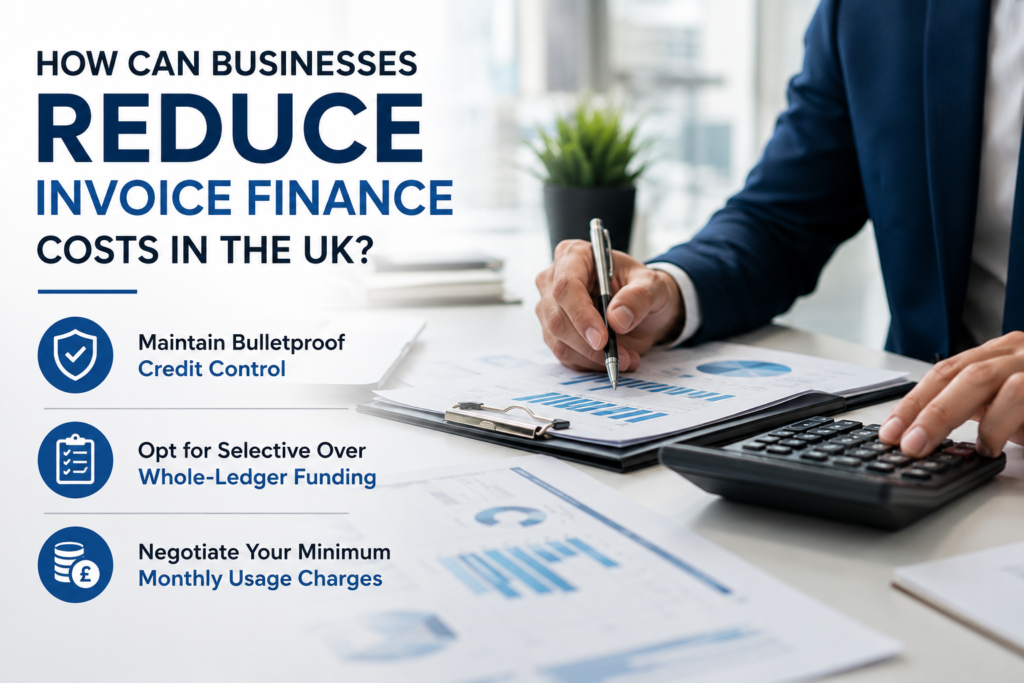
- Maintain Bulletproof Credit Control
The less risky your business looks to a provider, the lower your fees will be. If your customers consistently pay their invoices on time and you have a low rate of bad debt, lenders will view your account as a safe bet and will often reduce your overall discount margins to keep your business.
- Opt for Selective Over Whole-Ledger Funding
If you only experience cash flow gaps during specific seasons or when onboarding a massive new client, don’t sign up for a full-ledger facility that charges you a percentage on every single invoice you raise.
Instead, look for selective or spot invoice discounting, which allows you to fund individual, high-value invoices only when you actually need the extra cash injection.
- Negotiate Your Minimum Monthly Usage Charges
Many providers include a clause stating you must pay a minimum service fee each month, even if you don’t fund a single invoice.
Always negotiate to have this minimum threshold set as low as possible so you aren’t stuck paying for a facility that sits idle during your slow business months.
Also Read:- Best Invoice Finance Options UK: Factoring vs Discounting vs Spot Finance Explained
Conclusion
Ultimately, taking the time to compare invoice finance providers carefully is the single best way to protect your business margins while accelerating your daily operations.
By looking at introductory rates, hunting down hidden administrative fees, and leveraging Best Invoice Finance, you can unlock your trapped cash flow completely on your own terms.
Remember, a great funding partner shouldn’t restrict your business with unpredictable costs or confusing clauses; they should provide a reliable, scalable foundation that helps you thrive.
Armed with the right comparison strategy, you can confidently secure a cost-effective setup that keeps your business moving forward smoothly.
FAQs
Ans: Compare them by requesting a total annual cost breakdown based on the same invoice volume.
Ans: Factoring includes a credit control team chasing your clients; discounting lets you manage collections privately.
Ans: Yes, the service and discounting fees are generally classified as a legitimate business expense for tax purposes.
Ans: Yes, as long as you are B2B and issuing credit invoices to reliable corporate clients.
Ans: We specialize in cutting through the industry noise to find transparent, cost-effective funding solutions for UK SMEs.
Discover the Latest Trends
Stay informed with our latest articles and resources.