Invoice Finance for Startups UK: How New Businesses Can Unlock Cash Flow Fast
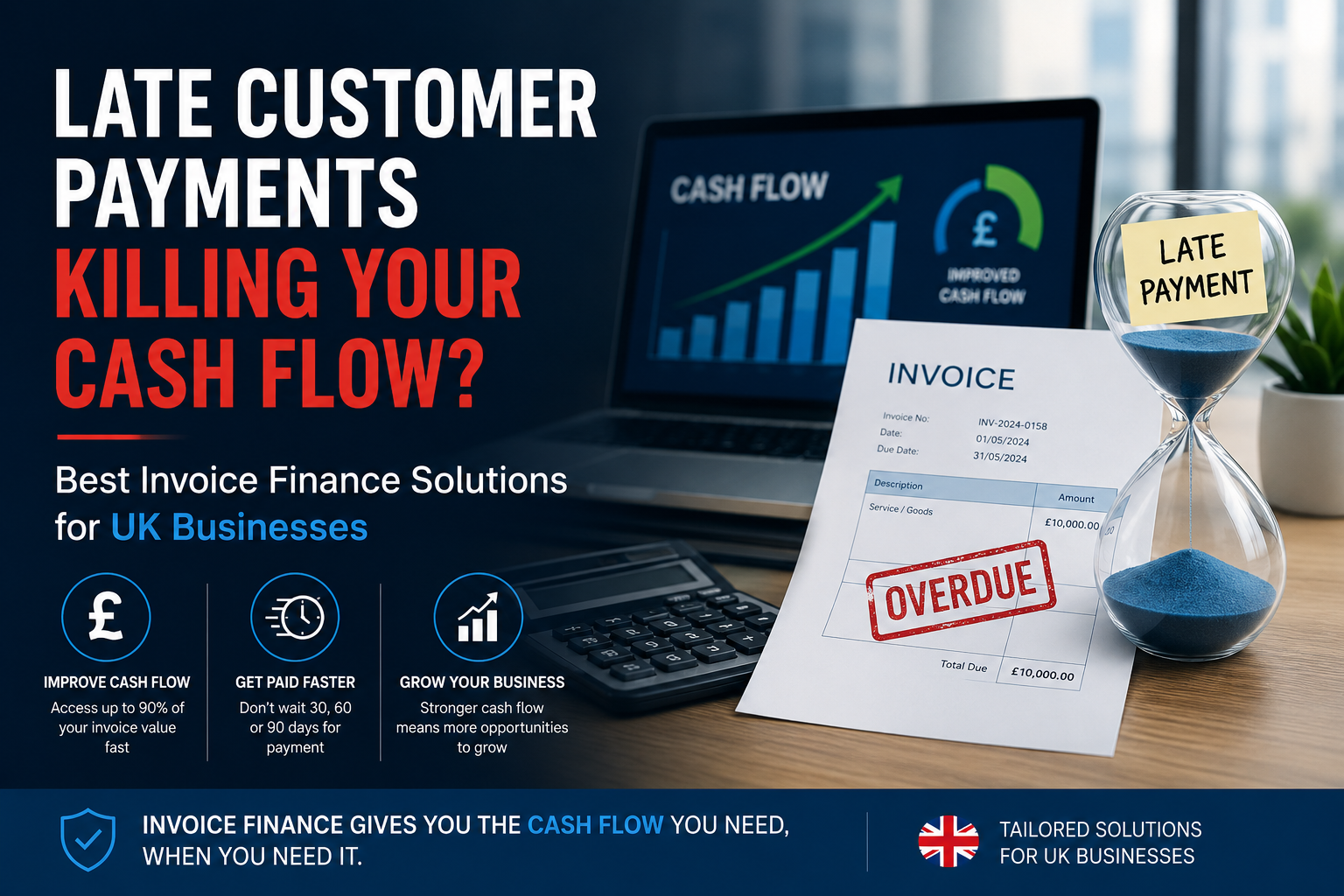
Starting a business in the UK is an exhilarating rollercoaster. You’ve got the vision, the branding is on point, and the clients are finally starting to say “yes.” But then, reality hits. You send out your first major invoice with 30, 60, or even 90-day payment terms.
Suddenly, your bank account is looking a bit thin while you wait for that cash to arrive. This “waiting game” is the number one dream-killer for new ventures. This is where invoice finance for startups steps in. It’s not a traditional loan; it’s a way to unlock the money you’ve already earned but haven’t received yet.
How to Improve Cash Flow as a Startup?
When you’re in the early stages, managing the gap between paying your suppliers and getting paid by your customers is the ultimate challenge. If you’re wondering how a startup can improve its cash flow, you usually have a few standard options:
- Startup Cash Flow Solutions:– Using specialized tools like invoice finance to bridge the gap.
- Chasing Payments:– Constantly emailing clients.
- Cutting Costs:– Which often stunts your growth.
- Bootstrapping:– Relying on personal savings.
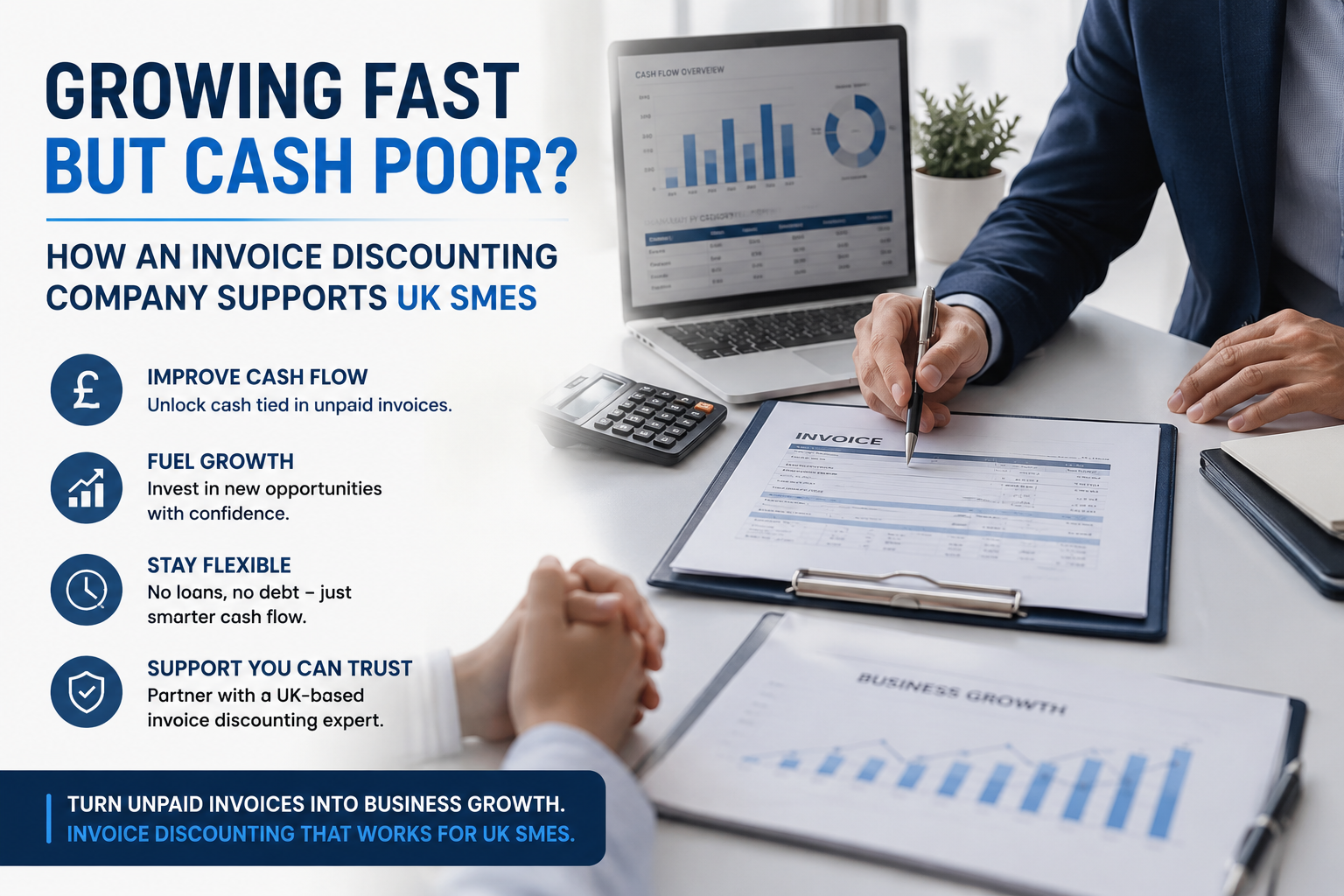
For many, startup funding UK options like venture capital or bank loans are either too hard to get or require giving up equity. Invoice finance is different because it grows with your sales. The more you invoice, the more cash you can access.
Can Startups Qualify for Invoice Finance in the UK?
Yes! A common myth is that you need years of trading history to access early stage business funding. In reality, many providers in the UK specialise specifically in finance for new businesses.
Unlike a bank loan that looks primarily at your financial history, an invoice finance provider looks at the creditworthiness of your customers.
If you are a brand-new startup but you are invoicing a reliable, blue-chip company or a reputable public sector body, lenders are often very happy to work with you.
What is the Best Funding Option for New Businesses?
The “best” option depends entirely on your goals, but for most UK founders, the answer is a mix of accessibility and control. While venture capital is flashy, it requires giving up equity. Bank loans are traditional but notoriously difficult for startups without a trading history.
Invoice finance for startups often emerges as the winner for B2B ventures because it doesn’t create debt; it simply accelerates your own earnings. It provides the startup cash flow solutions needed to reinvest in growth immediately, making it a safer and more flexible alternative.
Do Startups Need Credit History for Invoice Finance?
This is the best part for founders who haven’t built up a massive business credit score yet. While the lender will do a basic check on you, the primary security for the “loan” is the invoice itself.
As the lender is confident that your customer (the debtor) will pay, they are willing to advance you up to 90% of the invoice value within 24 hours. This makes it one of the most accessible startup cash flow solutions for entrepreneurs who are just getting off the ground.
Why Choose Small Business Invoice Finance?
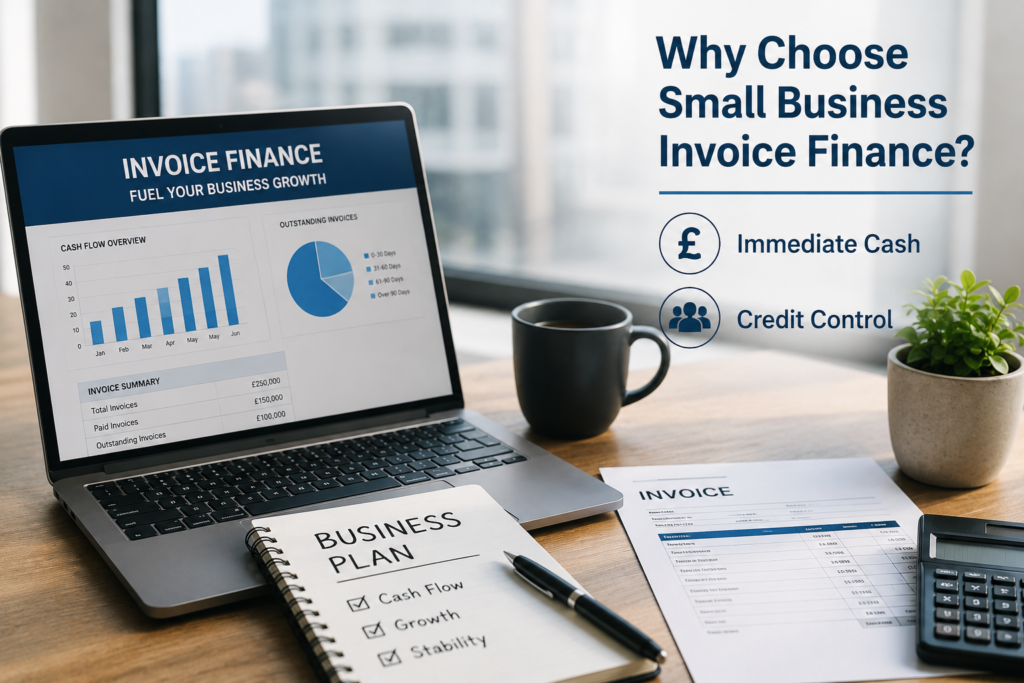
Choosing small business invoice finance (often specifically “Invoice Factoring”) offers two major benefits:
- Immediate Cash:– You get paid the day you raise the invoice. No more waiting 60 days to pay your own rent or staff.
- Credit Control:– Many factoring providers will actually handle the chasing of payments for you. For a small team, this is like having a free accounts department, allowing you to focus on selling rather than debt collecting.
Spotlighting Best Invoice Finance
If you’re looking for a partner that truly understands the UK market, Best Invoice Finance is a standout name. We specialise in connecting UK businesses, from fresh startups to established firms, with the right funding structures.
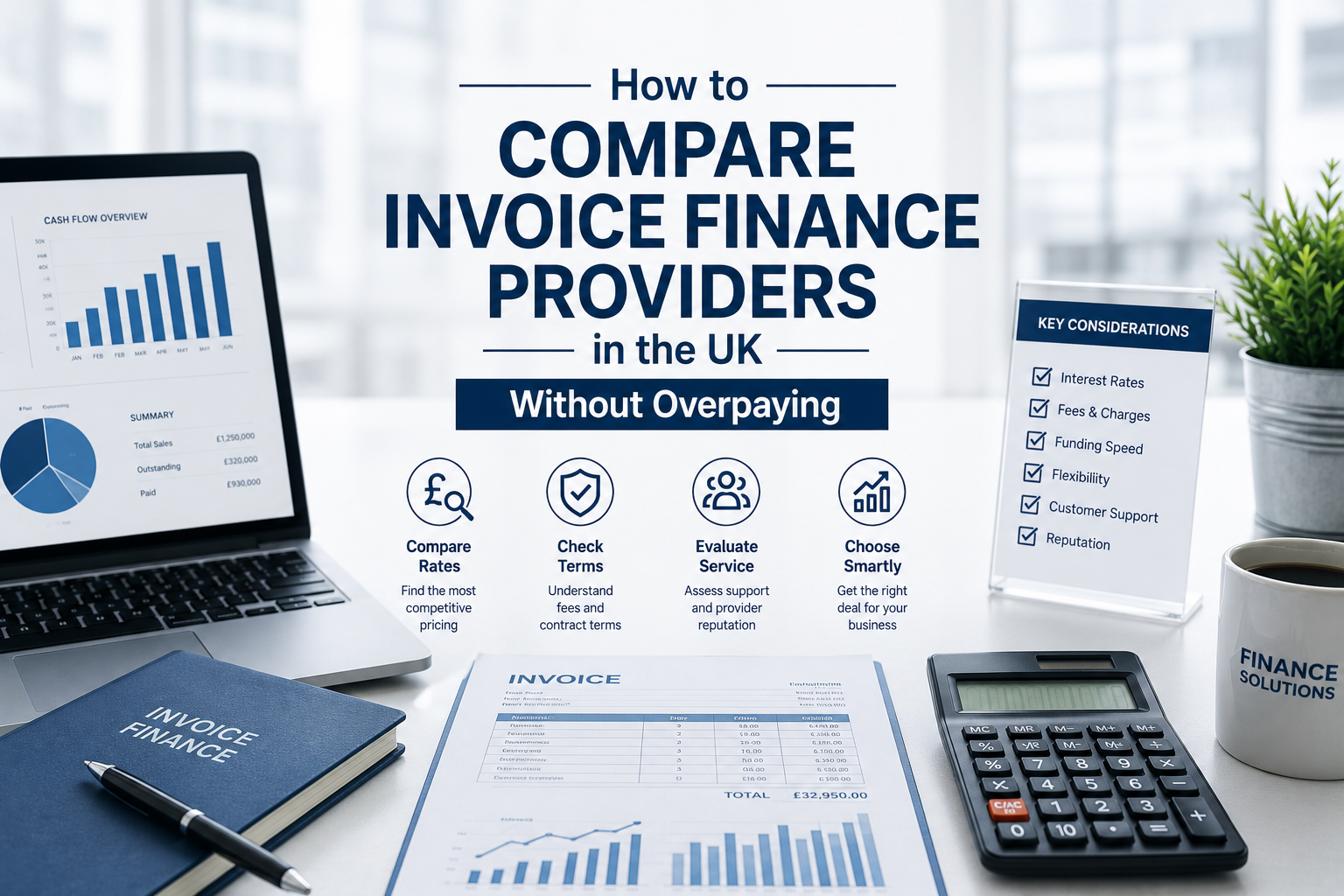
Instead of a “one-size-fits-all” approach, we help founders navigate the complexities of VAT, hire purchase, and asset finance. Our expertise ensures that your early stage business funding doesn’t come with hidden “junk” fees that eat into your margins.
Is Invoice Finance Safe for Startups?
When founders hear about “selling” their invoices, they often worry about the risks. Invoice finance for startups is a regulated and widely used financial tool. However, you should be aware of the two main types:
- Recourse Factoring: If your customer doesn’t pay the invoice, you have to buy it back from the lender.
- Non-Recourse Factoring: The lender takes the hit if the customer goes bust (this usually costs a bit more).
As long as you are working with reputable firms like Best Invoice Finance and invoicing reliable clients, it is a much “safer” way to scale than taking on massive amounts of high-interest debt.
Also Read:- Invoice Factoring Cost Explained: Fees, Charges & Hidden Costs in the UK
Final Thoughts: Funding the Future
The UK startup scene is more competitive than ever. Don’t let a “paper profit” (where you’re successful on the books but broke in the bank) stop your momentum. By leveraging invoice finance for startups, you turn your sales ledger into a live source of working capital.
Whether you’re in tech, recruitment, or manufacturing, unlocking that cash flow today means you can hire that next employee or buy that essential piece of kit tomorrow.
Ans:- Fees typically range between 1% and 5% of the total invoice value, depending on your volume and your customers’ credit.
Ans:- If you choose “Factoring,” they will know. If you choose “Invoice Discounting,” the arrangement remains confidential.
Ans:- Some lenders require £100k+ annual turnover, but many specialist startup lenders have no minimum at all.
Ans:- Once your account is set up, funds are usually transferred within 24 hours of you uploading a new invoice.
Ans:- Yes, many UK providers offer export finance to help you grow your business globally.
Discover the Latest Trends
Stay informed with our latest articles and resources.