How Invoice Factoring Solves Cash Flow Gaps for UK Businesses
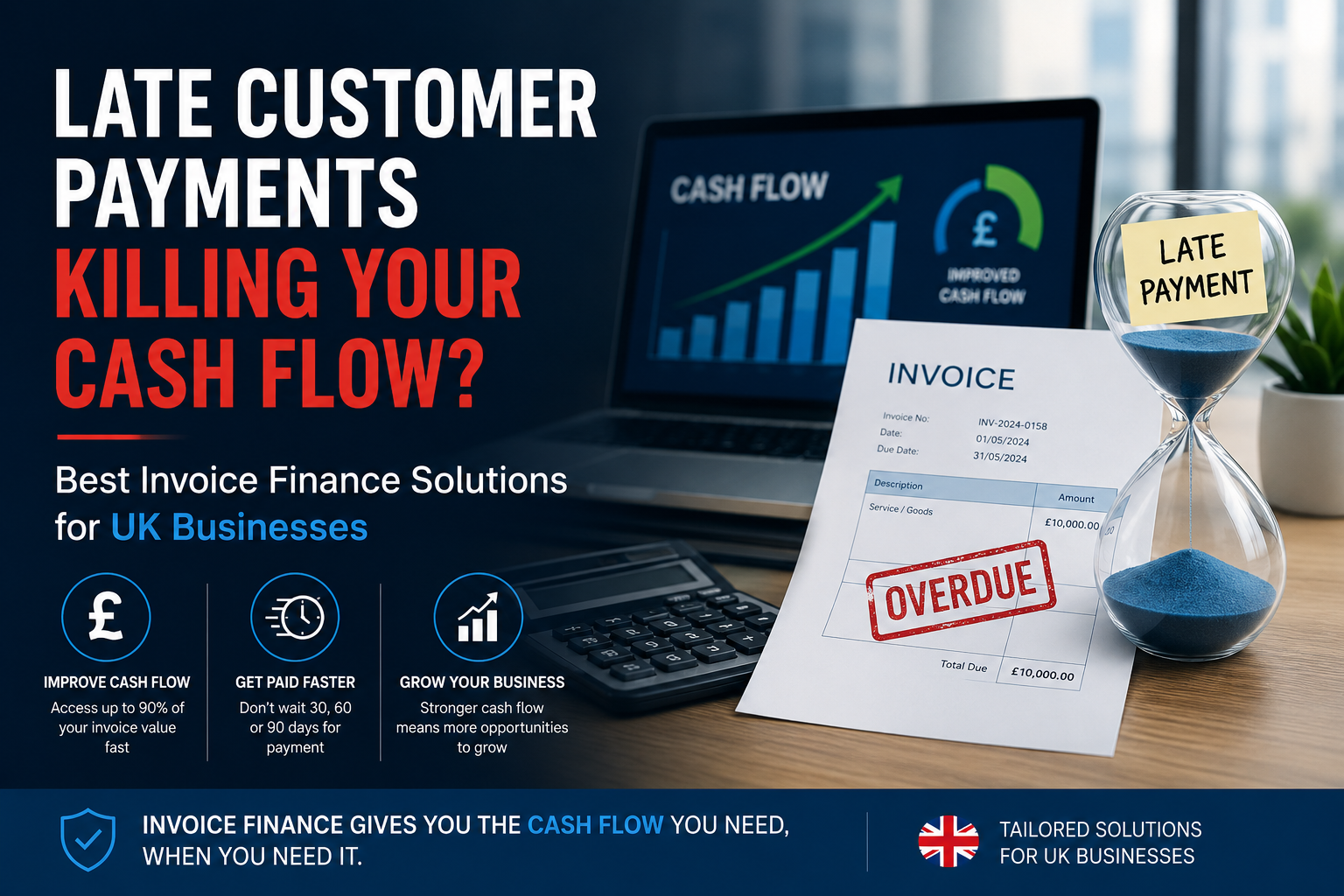
If you’re running a B2B business in the UK today, you know the “Profit vs Cash” paradox all too well. You’ve just landed a massive contract, your team is buzzing, and the revenue on your dashboard looks fantastic. But then you look at your bank balance and realise you’re two weeks away from payroll with £50,000 tied up in unpaid invoices.
In 2026, this “liquidity lag” has become a major hurdle for UK SMEs. With many sectors seeing payment terms stretch from 30 to 60 or even 90 days, staying afloat while waiting for clients to pay is a full-time job in itself. This is exactly where invoice factoring steps in as a game-changer.
Instead of waiting for the “cheque in the post,” factoring allows you to unlock that trapped cash instantly. Let’s dive into how this working capital solution actually works and why it’s becoming the go-to strategy for British business owners this year.
What is Invoice Factoring and How Does It Work?
At its heart, invoice factoring is a simple financial transaction. You sell your outstanding invoices to a specialised provider (the “factor”). In return, they give you a big part of that money, usually between 70% and 90% of the invoice value, within 24 hours.
Once your customer eventually pays the invoice at the end of their credit term, the factoring company pays you the remaining balance, minus a small service fee. It’s essentially a money advance you’ve already earned.
The Key Difference: Control vs Collection
Unlike “Invoice Discounting” (where you keep your own credit control), factoring services typically involve the provider taking over your sales ledger management.
They handle the chasing of payments and the professional follow-ups with your clients. For many small businesses, this is a massive relief; it means you can stop being a part-time debt collector and get back to being a full-time CEO.
Why “Cash Flow Factoring” is Trending in 2026
You might hear the term cash flow factoring mentioned in boardrooms more often lately. This is because, in the current economic climate, profit is a vanity metric, but cash is reality. UK businesses are facing rising operational costs and higher supplier expectations.
If your cash conversion cycle is too slow, you can’t reinvest in new stock, hire talent, or take on the next big project. By using accounts receivable funding, you essentially bypass the waiting game.
It turns your “Accounts Receivable” from a static number on a balance sheet into active, usable capital that can be deployed today.
Strategic Benefits of Invoice Factoring for UK SMEs
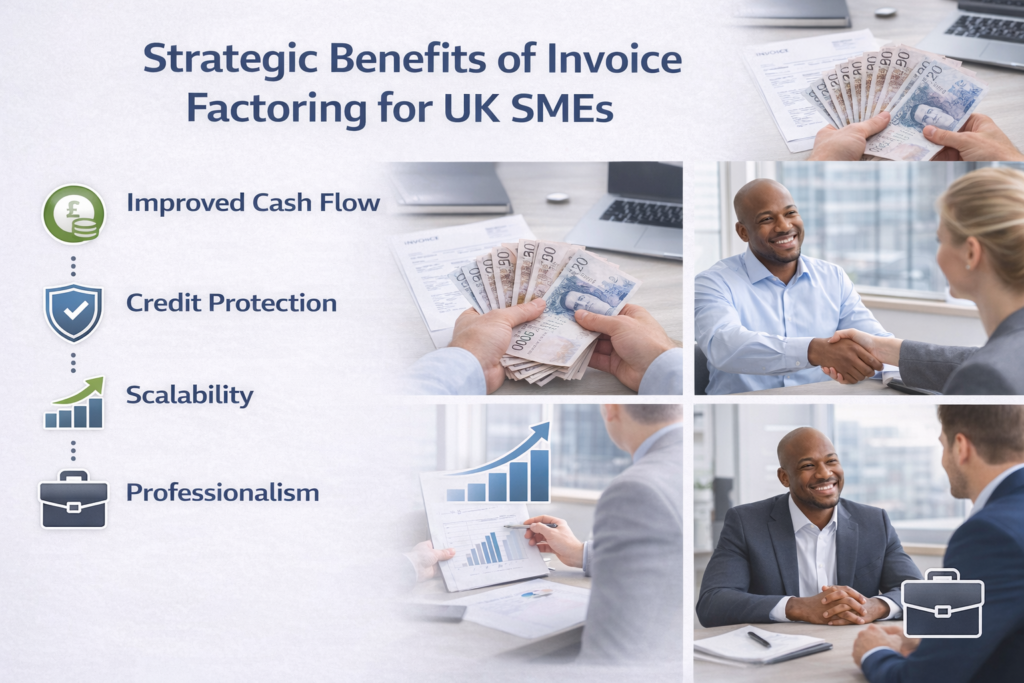
While the immediate cash injection is the most obvious perk, there are several strategic reasons to look into a factoring facility:
- Credit Protection: Many providers offer “Non-Recourse” factoring. It acts as a form of insurance; if your customer goes bust and can’t pay the invoice, the factoring company absorbs the loss instead of you.
- Scalability: Unlike a bank loan or an overdraft with a fixed limit, factoring grows with you. As your sales increase and you issue more invoices, the amount of funding available to you automatically expands.
- Professionalism: Using established factoring services by Best Invoice Finance often results in faster payment times because large corporations tend to prioritise payments to professional financial institutions over small independent suppliers.
Is it Different from Debtor Finance Australia Styles?
If you’ve done business internationally, you might have come across debtor finance Australia models. While the terminology varies slightly, the mechanics remain the same.
The goal in both the UK and Australian markets is to bridge the gap between “Job Done” and “Cash in Hand.”
Is Invoice Factoring Better Than A Loan?
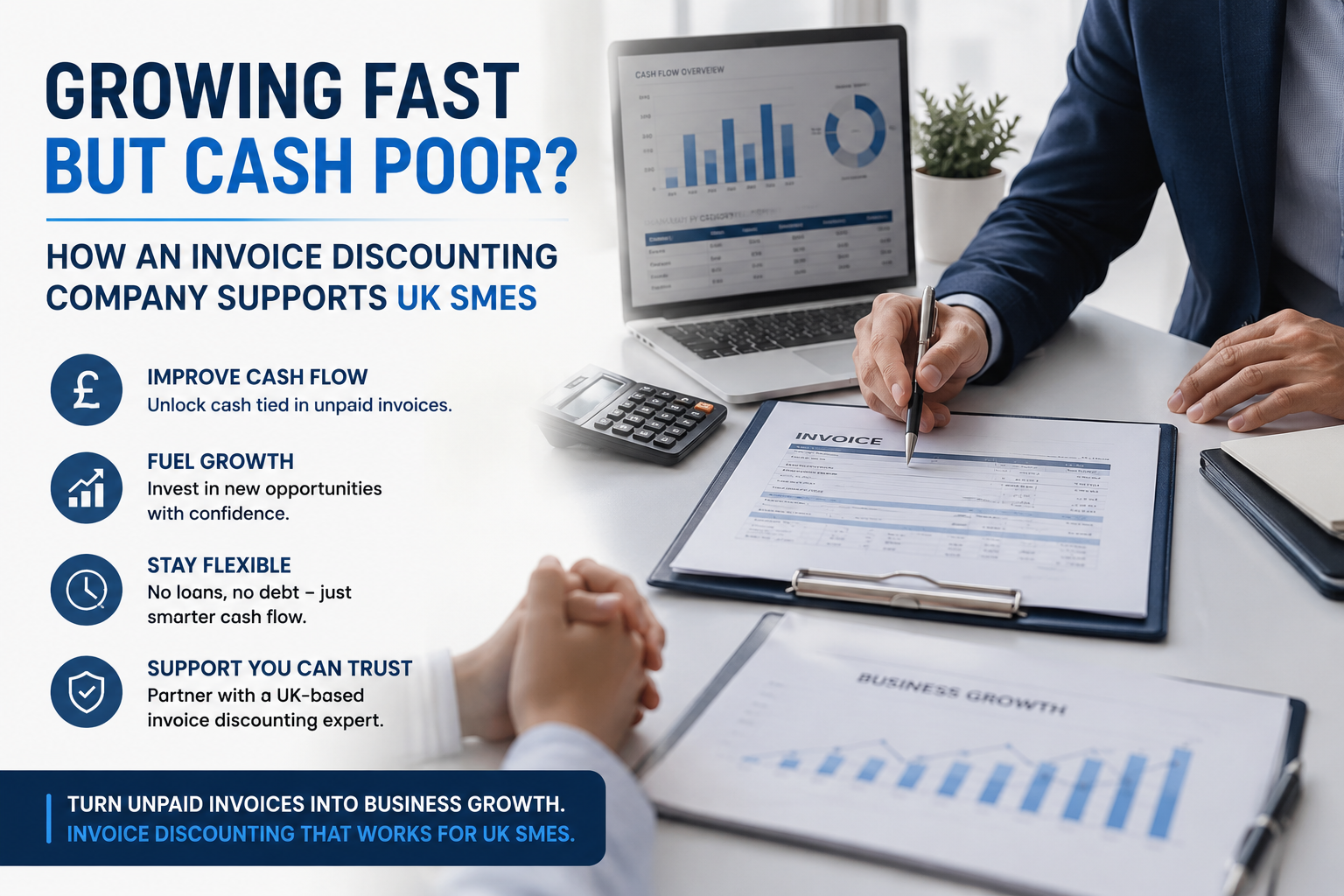
For many, yes. Unlike a loan, it doesn’t create debt on your balance sheet or require monthly repayments. It’s a flexible working capital solution that scales automatically as your sales grow, without the need for additional collateral.
What Types of Businesses Use Invoice Factoring?
Any B2B company with long payment terms can benefit. It is particularly popular in recruitment, manufacturing, transport, and construction, where high upfront costs like wages and raw materials must be met before the client pays.
When to Consider a Factoring Solution
If your business fits into any of the following categories, invoice factoring could be your secret weapon:
- Recruitment & Staffing: Where you have to pay temporary workers weekly, but clients pay you monthly.
- Manufacturing: Where you need to buy raw materials upfront before the finished goods are even shipped.
- Transport & Logistics: Where fuel costs and driver wages hit your bank account long before the delivery invoice is settled.
Also Read:- Finance Lease Association: What It Is, Why It Matters, and How It Affects Your Leasing Options
Conclusion
Navigating the financial waters of 2026 requires more than just a good product; it requires a robust working capital solution. Invoice factoring isn’t just a “fix” for a struggling business; it’s a growth tool for a successful one. By unlocking the value of your sales today, you give your business the fuel it needs to race ahead of the competition tomorrow.
FAQs
Q. How quickly can you get funds through factoring?
Ans:- Once your account is set up, most factoring services can advance up to 90% of your invoice value within 24 hours of you raising and submitting the invoice.
Q. Will my customers know I’m using a factoring company?
Ans:- Yes. In a standard factoring agreement, the provider manages the collections, so your customers will be aware of the facility. For a “hidden” version, look into Invoice Discounting.
Q. Is factoring a loan that adds debt to my balance sheet?
Ans:- Strictly speaking, no. It’s an accounts receivable funding solution where you are selling an asset (the invoice) rather than taking on a traditional liability.
Q. What happens if a customer refuses to pay?
Ans:- In “Recourse” factoring, the debt reverts to you. In “Non-Recourse” factoring, the provider typically takes the hit, providing your business with an extra layer of protection.
Q. How much do factoring services typically cost?
Ans:- Fees vary, but you can usually expect a service fee (for the admin) and a discount rate (similar to interest). For many, the cost is easily offset by the ability to take on more work and pay suppliers early for discounts.
Q. How does invoice factoring improve cash flow?
Ans:- It accelerates your cash cycle by converting unpaid invoices into immediate liquidity. Instead of waiting 30–90 days for a client to pay, you receive a significant cash advance upfront to cover operational costs.
Discover the Latest Trends
Stay informed with our latest articles and resources.