Invoice Financing – A Financial Lifeline
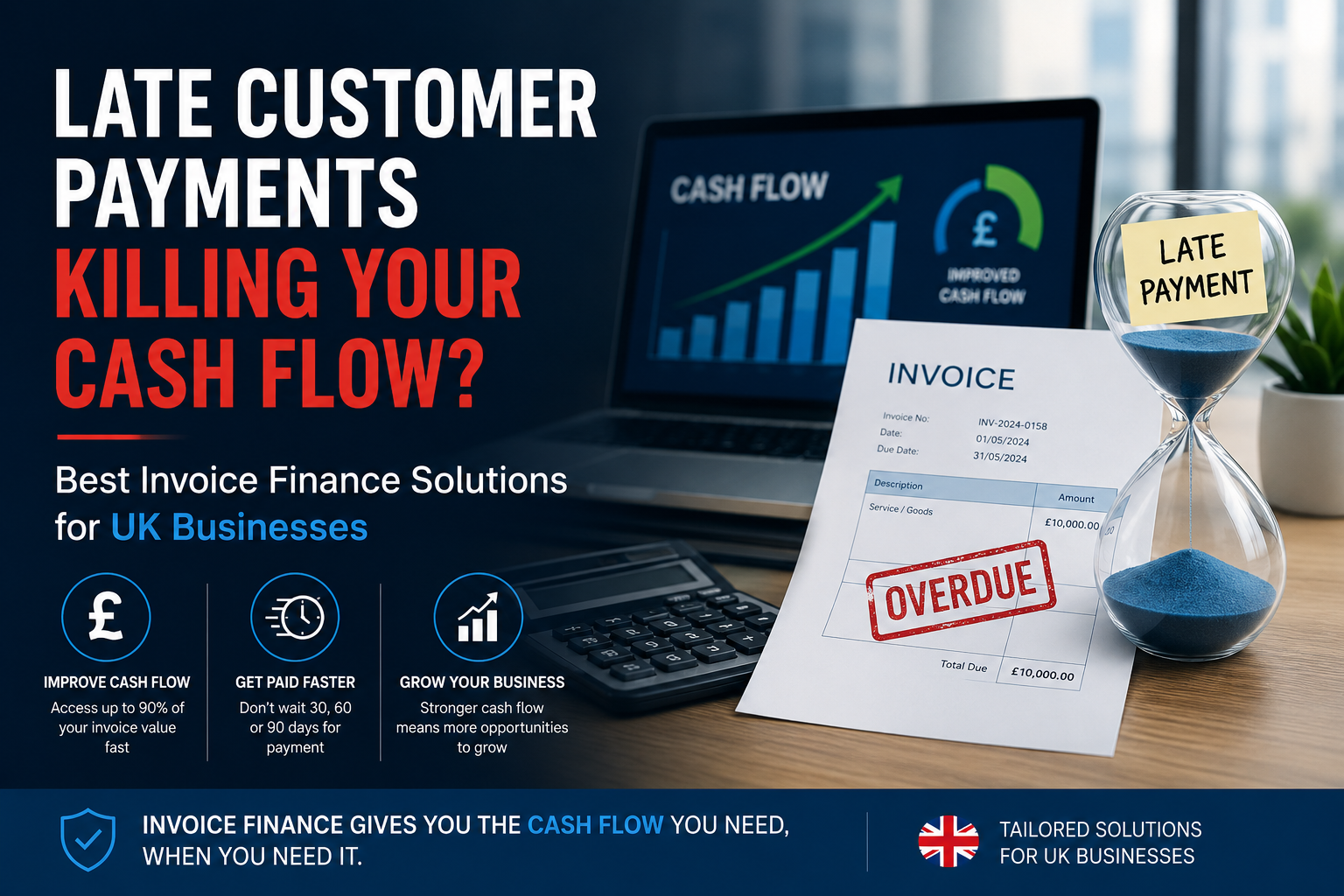
In the dynamic landscape of small business finance, managing cash flow can often feel like walking a tightrope. Nowhere is this challenge more apparent than in the UK where, on average, SMEs are owed £250,000 in unpaid invoices. Grappling with the burden of unpaid invoices and lengthy payment terms, 100% of SMEs now claim that more of their customers are paying late.
Why use invoice finance
Businesses often turn to invoice finance to address cash flow challenges. Waiting for customers to pay their invoices can create cash flow gaps, hindering day-to-day operations and growth opportunities. Some businesses wait up to 120 days for payments to come through.. Invoice finance provides immediate access to cash by unlocking the value of unpaid invoices, helping businesses maintain liquidity and sustain operations without disruption.
What is Invoice Financing?
Invoice financing is a way for businesses to get money quickly when they have unpaid invoices from their customers. Instead of waiting for those customers to pay, the business can sell those invoices to a finance company. The finance company gives the business a large part of the invoice amount upfront, and when the customer pays, the finance company gives the rest of the money to the business, minus a fee. It’s like getting an advance on the money that’s owed to you, helping businesses to have cash on hand when they need it most.
Two Types of Invoice Financing: Discounting vs. Factoring
1. Invoice Discounting:
Invoice discounting is a financing arrangement where a business pledges its unpaid invoices to a finance provider in exchange for a line of credit. Unlike invoice factoring, the business retains control over its accounts receivable and collections process.
Essentially, it’s a confidential agreement where the business continues to manage its invoicing and collection efforts while accessing funds based on the value of outstanding invoices. This type of financing is ideal for businesses with established credit control procedures who prefer to maintain direct relationships with their customers.
2. Invoice Factoring:
Invoice factoring involves selling invoices to a finance company, known as a factor, at a discount. Unlike discounting, factoring involves the factoring company taking over the responsibility for collecting payments from customers. Once the invoices are sold, the factor advances a significant portion of the invoice value – typically around 80% to 90% – to the business upfront, with the remainder held as a reserve.
Once the customer settles the invoice, the factor releases the reserve amount to the business, minus a fee. Factoring is suitable for businesses seeking to outsource credit management and collections, as well as those looking for immediate cash flow relief without the administrative burden of chasing payments.
Advantages of Invoice Finance?
- Immediate Access to Cash: SMEs in the UK are owed an average of £250k in unpaid invoices, causing cash flow strain. Invoice financing provides immediate access to cash, enabling businesses to cover expenses, invest in growth, and seize opportunities.
- Reduced Payment Delays: By accessing funds tied up in unpaid invoices, businesses can mitigate the impact of late payments from customers. This helps to maintain consistent cash flow and reduces the need to rely on costly overdrafts or expensive short-term loans to bridge gaps in funding.
- Competition: 35,000 businesses in the UK are using invoice financing, don’t let your business fall behind while other utilise invoice finance to aid the growth of their business. 27% of businesses with a turnover above £1 million use invoice finance, which proves that many successful businesses have able to thrive using this type of finance.
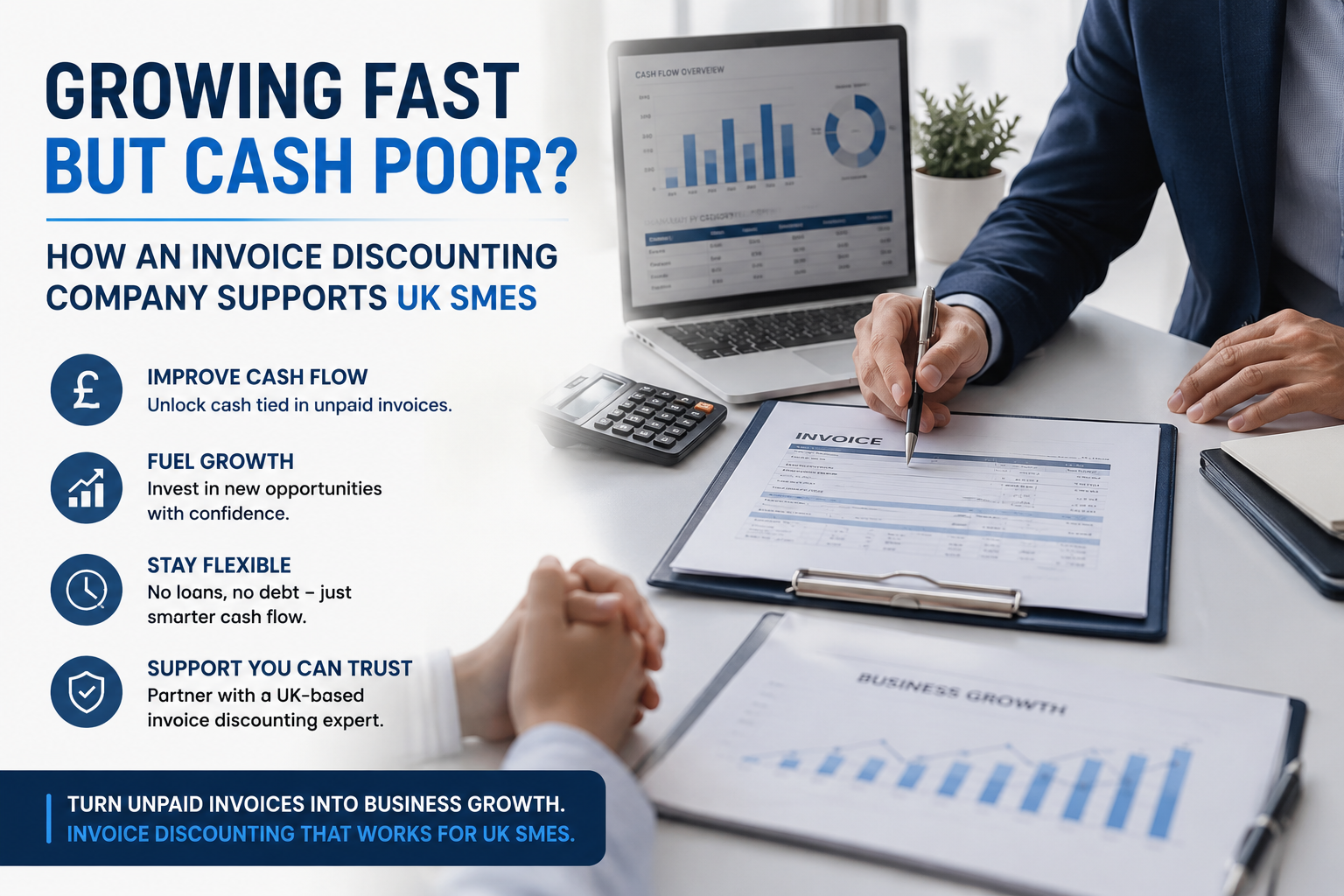
- No Additional Debt: Invoice finance is not a loan which adds debt to the balance sheet. Instead, it leverages the value of existing invoices to provide funding, making it an attractive option for businesses looking to avoid taking on additional debt or those with existing debt obligations.
Differences between Discounting and Factoring:
- Control: With invoice discounting, businesses retain control over credit management and customer relationships. In contrast, factoring involves outsourcing collections to the factor.
- Confidentiality: Invoice discounting is typically confidential, meaning customers are unaware of the financing arrangement. Factoring involves direct communication with customers, as the factor collects payments on behalf of the business.
Invoice financing offers a lifeline for UK SMEs grappling with unpaid invoices and cash flow challenges. Whether through discounting or factoring, businesses can unlock the value of their outstanding invoices to fuel growth, navigate payment delays, and expand into new markets. As the SME landscape continues to evolve, invoice financing stands out as a flexible and accessible solution for businesses seeking to thrive in an increasingly competitive environment.
Also Read:- Invoice Finance: A Small Business’s Key to Boost Cash Flow
FAQs
Q:- What types of businesses benefit most from invoice financing?
Ans:- Invoice financing typically benefits B2B businesses that issue invoices with 30-plus day payment terms. It’s especially useful for industries such as manufacturing, staffing, logistics, professional services, and wholesale, where invoices take time to clear but operating costs must still be met.
Q:- Can invoice financing improve my business credit rating?
Ans:- While invoice financing itself doesn’t directly enhance a business credit score, it helps maintain healthy payment behaviour by ensuring suppliers and creditors are paid on time. This consistency can improve your overall financial profile and support stronger credit relationships over the long term.-+
Q:- Does invoice financing affect ownership or control of my business?
Ans:- No. Unlike equity investment, invoice financing does not require giving up ownership or control of your business. You simply use unpaid invoices as collateral to access cash. The business retains full control over operations and decision-making throughout the process.
Q:- How quickly can a business start using invoice financing?
Ans:- Many invoice financing providers can set up an agreement within a few days once required documents (such as sales ledger details and customer invoices) are submitted. In many cases, funds can be released within 24–48 hours of approval.
Q:- Can I still use invoice financing if I have bad credit?
Ans:- Yes — because invoice financing focuses on the creditworthiness of your customers, not primarily your own credit score. If your customers have strong payment histories, you may still qualify even if your business credit history has weaknesses.
Q:- Can a startup business qualify for invoice financing?
Ans:– Some providers offer invoice financing to startups, but approval usually depends on the creditworthiness of the startup’s customers rather than the business itself. If the company invoices reliable clients, it may still be eligible even with a short trading history.
Discover the Latest Trends
Stay informed with our latest articles and resources.