Invoice Finance: A Small Business’s Key to Boost Cash Flow
Are you a small-to-medium-sized business owner tired of the wait associated with customer payments? Invoice finance may be the golden ticket to maintaining a seamless cash flow, ensuring your business operations continue without a hitch.
How Does Invoice Finance Work?
The process begins when you issue an invoice to your customer. Instead of waiting for the payment terms to expire, you approach an invoice finance company. The company then advances you a significant portion of the invoice’s value. Once your customer settles the invoice, the company gives you the remaining balance, minus their fees.
Types of Invoice Financing
- Invoice Factoring: Here, the lender takes over the responsibility of chasing payments, freeing you to focus on your business. However, your clients will be aware of the lender’s involvement.
- Invoice Discounting: This option is for those who prefer to maintain control over their credit control processes. It’s a discreet option typically suited to more established businesses with a higher turnover.
- Selective Invoice Finance & Spot Factoring: These options provide the utmost flexibility, allowing you to finance specific invoices as needed.

The Advantages Of Invoice Finance
- Quick access to funds
- Scalable with your business’s growth
- Saves time on chasing payments, especially with factoring.
- Cost Effective way of borrowing and gives you instant access to improve cash flow
Also Read:- Maximise Cash Flow with Invoice Finance: Strategies for Small Businesses
Eligibility and Application
MostB2B businesses with a consistent invoicing track record are eligible for invoice finance. The amount you can borrow, and the approval of your application will depend on factors like your trading history, customer payment patterns, and the total amount of finance needed.
Invoice finance is a robust tool to maintain liquidity, especially in uncertain times.It enables you to plan and grow with confidence, knowing your cash flow is secure. As you explore the different types of invoice financing, consider how each aligns with your business goals and operations.
FAQs
Q:- Can invoice finance help a business grow, not just survive?
Ans: Yes. Invoice finance is often used as a growth tool, not just a short-term fix. By unlocking cash tied up in unpaid invoices, businesses can confidently invest in hiring staff, increasing stock, launching marketing campaigns, or taking on larger contracts without worrying about delayed customer payments holding them back.
Q:- How does invoice finance compare to overdrafts or business loans?
Ans:– Unlike overdrafts or traditional loans, invoice finance grows in line with your sales. The more you invoice, the more funding becomes available. There’s no need to renegotiate limits, and approval is usually based on your customers’ ability to pay rather than your business’s credit history, making it more flexible for SMEs.
Q:- What happens if my customer pays an invoice late?
Ans: If a customer pays late, the funding period simply extends, though additional fees may apply depending on the agreement. Many invoice finance providers also offer credit control support or payment-chasing services, helping businesses reduce late payments and improve overall debtor management.
Q:- Is invoice finance suitable for businesses with seasonal income?
Ans:– Yes. Invoice finance works particularly well for seasonal businesses because funding automatically increases during busy periods and reduces during quieter months. This flexibility helps businesses manage fluctuating cash flow without committing to fixed monthly loan repayments when revenue is lower.
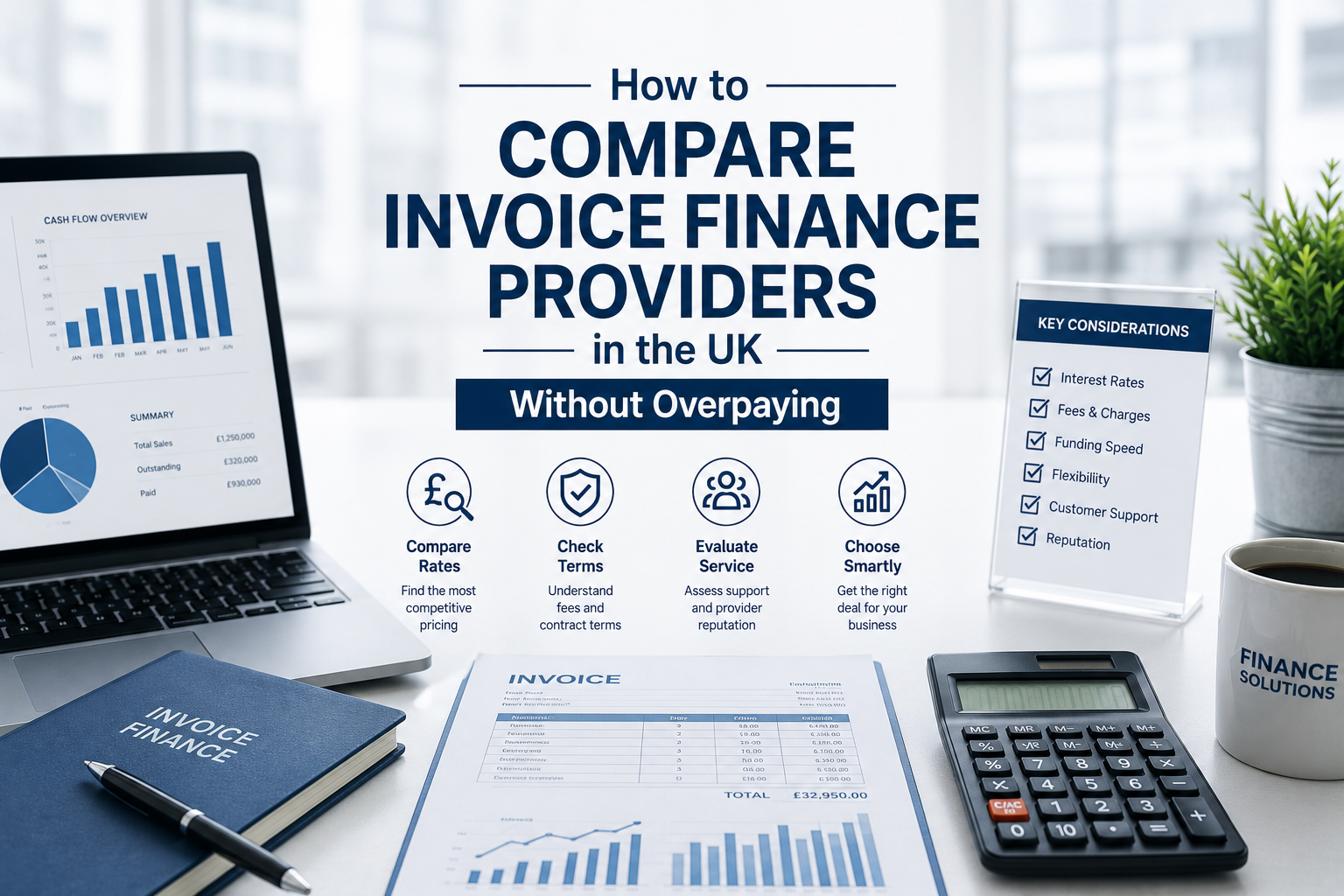
Q:- What should small businesses check before choosing an invoice finance provider?
Ans:– Before choosing a provider, businesses should review:
- Contract length and exit fees
- Advance rates and service charges
- Confidential vs disclosed facilities
- Customer support and industry experience
Choosing a transparent, SME-focused provider ensures invoice finance supports cash flow without unexpected costs.
Discover the Latest Trends
Stay informed with our latest articles and resources.