Invoice Finance Calculator UK: Estimate Costs, Fees, and How Much You Can Borrow
An invoice finance calculator provides an immediate, estimated snapshot of how much liquidity you can unlock from your unpaid B2B invoices and what that funding will likely cost your business.
By inputting your average monthly turnover, the typical value of your outstanding invoices, and your industry sector, you receive a clear, data-driven forecast of your borrowing power and potential fees without needing to commit to a full application immediately.
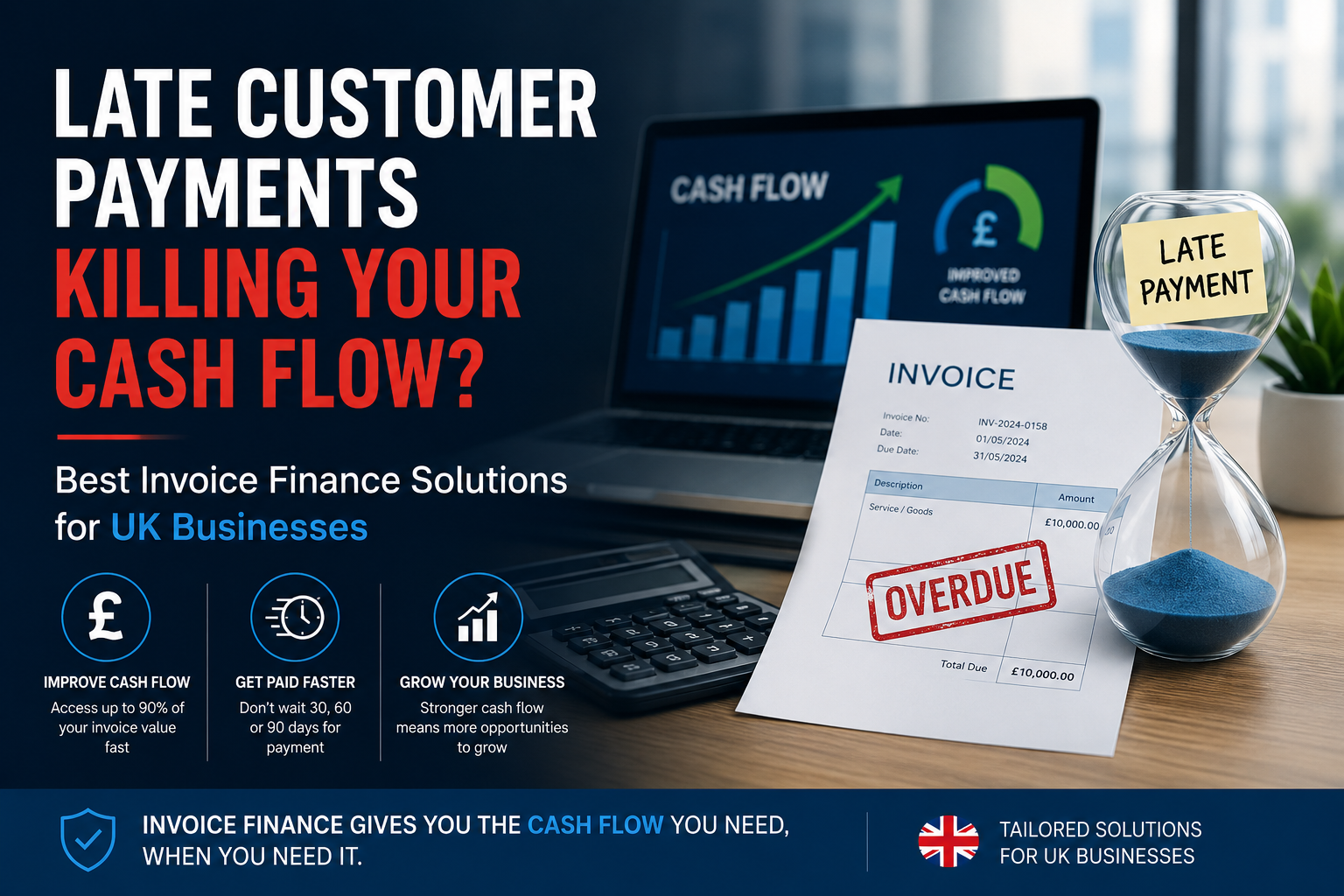
If you are a UK business owner tired of the “waiting game” where your invoices sit unpaid for 30, 60, or 90 days, you are likely looking for a way to bridge that gap.
Cash flow is the lifeblood of any SME, and waiting on clients to pay can stall your growth. That is where an invoice finance calculator becomes an essential tool in your financial planning toolkit.
How the Invoice Finance Calculator UK Works
An invoice finance calculator UK is designed to simplify the complex world of commercial finance. Unlike traditional bank loans, which often look at your business assets or personal credit history, invoice finance is asset-based.
It specifically uses your outstanding invoices as collateral. When you use an invoice finance calculator, you are essentially reverse-engineering your cash flow. You enter data such as:
- Total Annual Turnover: This helps lenders gauge the scale of your operations.
- Average Invoice Value: This helps determine the “weight” of each funding request.
- Typical Payment Terms: Whether you offer 30, 60, or 90-day terms impacts the risk profile and, consequently, the pricing.
Once the calculator processes these inputs, it gives you a ballpark figure of the advance percentage (usually between 80% and 95% of the invoice value) and an estimate of the costs involved.
How Best Invoice Finance Helps Your Business
While an online invoice finance calculator provides the numbers, it cannot negotiate the deal. This is where Best Invoice Finance bridges the gap. We don’t just give you a static estimation; we help you turn that projection into working capital.
Best Invoice Finance acts as an expert intermediary for UK SMEs. After you’ve used a calculator to get your initial figures, we step in to:
- Analyse Your Specific Needs: Not all finance agreements are the same. We look at whether you need selective invoice finance (for individual invoices) or full-ledger factoring.
- Optimise Your Costs: We help you understand the fine print, things like CHOCS (Client Handles Own Collections) versus fully managed factoring, to ensure you aren’t paying for services you don’t need.
- Navigate Lender Criteria: We have a deep network of lenders who have different appetites for risk and sector-specific expertise. We match your business profile with the lender most likely to approve your facility.
We move you from the “calculation phase” to the “funding phase” with a streamlined approach that prioritises your business’s health and long-term liquidity.
Using an Invoice Finance Cost Calculator
When you set out to calculate invoice finance fees, you are essentially looking at two main components: the service fee and the discount charge.
- The Service Fee: It covers the administrative cost of the facility, such as processing invoices and managing the sales ledger. It is usually a small percentage of your gross turnover.
- The Discount Charge: It is the interest rate applied to the money you borrow. It is similar to an overdraft rate, typically charged as a base rate plus a percentage (the margin).
Using a dedicated invoice finance cost calculator helps you differentiate between these two. It forces you to look at the total cost of capital rather than just the “sticker price.” When calculating fees accurately, always ensure you factor in the speed of the advance.
If you are getting money in your account within 24 hours, the cost may be slightly higher than a facility with a longer lead time, but the benefit to your cash flow is almost always worth the margin.
Why Accuracy Matters in Your Estimates
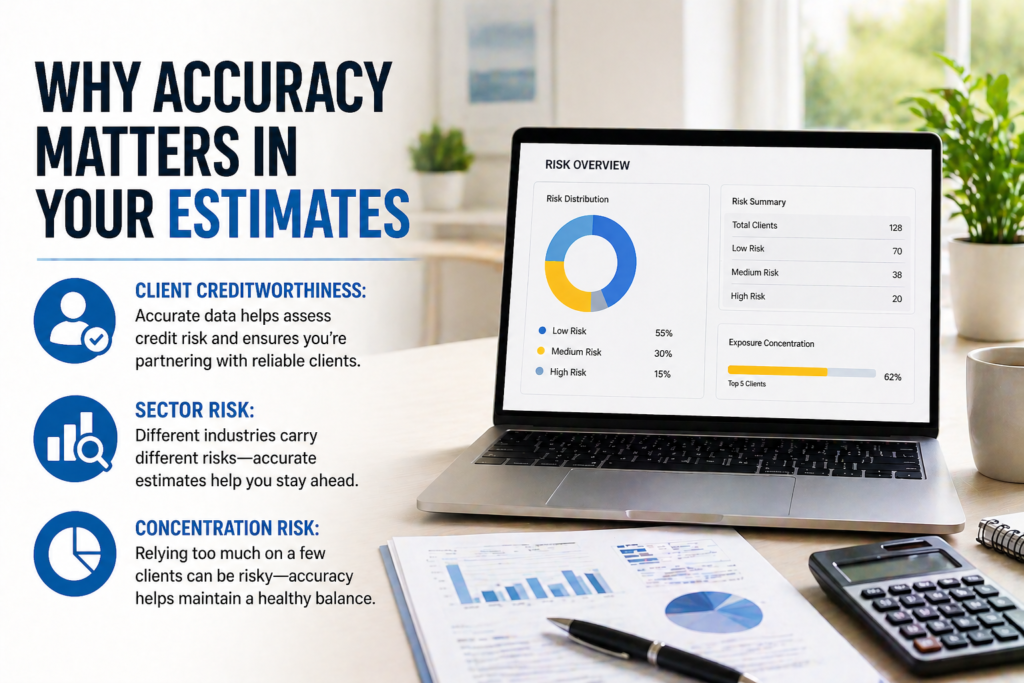
Many business owners make the mistake of using a calculator and assuming the result is a guaranteed offer. It is vital to view the result as an estimate for planning purposes. The actual costs can vary based on:
- Client Creditworthiness: If your debtors have a poor payment history, lenders may perceive a higher risk, which can affect your discount charge.
- Sector Risk: Certain industries (like construction or recruitment) are viewed differently by lenders compared to manufacturing or wholesale.
- Concentration Risk: If the vast majority of your revenue comes from a single customer, lenders might adjust their terms.
Use the calculator to build a budget, but remember that the final agreement will be tailored to the specific risk profile of your client base.
Also Read:- Spot Invoice Finance in the UK: Fast Funding for Urgent Cash Flow Needs
Conclusion
Managing your cash flow doesn’t have to be a guessing game. By utilising an invoice finance calculator and working with experts who understand the nuances of the UK financial market, you can secure the working capital you need to scale your business with confidence.
Whether you are aiming to pay suppliers on time, cover payroll, or invest in new equipment, the right financial structure makes all the difference.
Ans:- It takes your business turnover and invoice data to estimate how much cash a lender might advance against your sales ledger, giving you a projection of your immediate borrowing capacity.
Ans:- Costs vary by provider and business risk, but typically involve a service fee (0.5%–3% of turnover) and a discount charge (interest) on the funds drawn, similar to a bank overdraft rate.
Ans:- Input your total annual turnover and the average timeframe your customers take to pay; the calculator will then project the service fees and discount charges based on those variables.
Ans:- Most calculators estimate an advance of 80% to 95% of the total value of your outstanding invoices, depending on your industry and the creditworthiness of your customers.
Ans:- Yes, most reputable invoice finance brokers and lenders provide free, no-obligation calculators on their websites to help you model your cash flow requirements.
Discover the Latest Trends
Stay informed with our latest articles and resources.